


Product recommendation
Overseas Clients’ Top Priorities for Fiberglass Mesh Cloth: Choose Direct Factories, Secure Quality & Profits
In the global construction materials market, fiberglass mesh cloth is a critical reinforcing material, with its quality directly impacting building durability and safety. Overseas buyers often face key procurement pain points: products failing to meet technical parameters, customs clearance delays due to incomplete certifications, delivery hold-ups from middlemen, and lack of project-specific customization. These issues are solvable by partnering with certified source factories, verifying international standard compliance upfront, and establishing clear communication for customization and logistics. Pairing these solutions with professional industry knowledge is essential for rational fiberglass mesh cloth procurement.
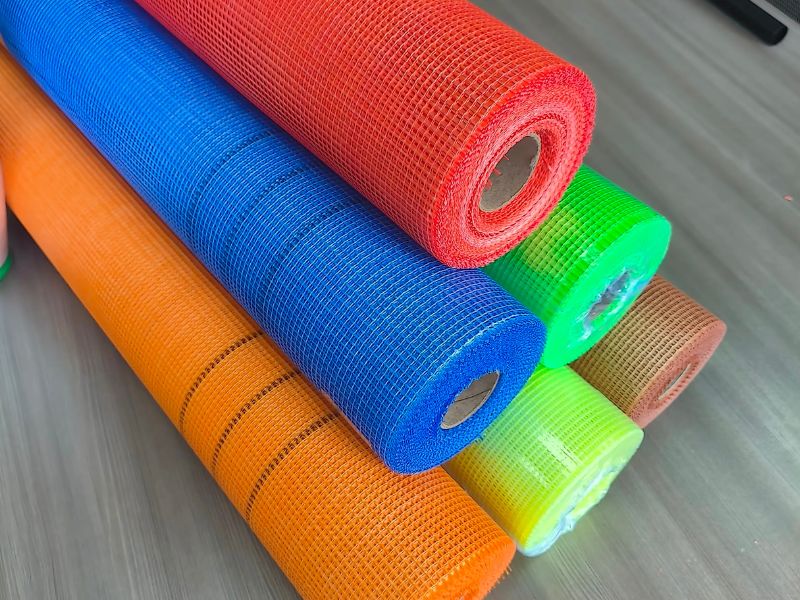
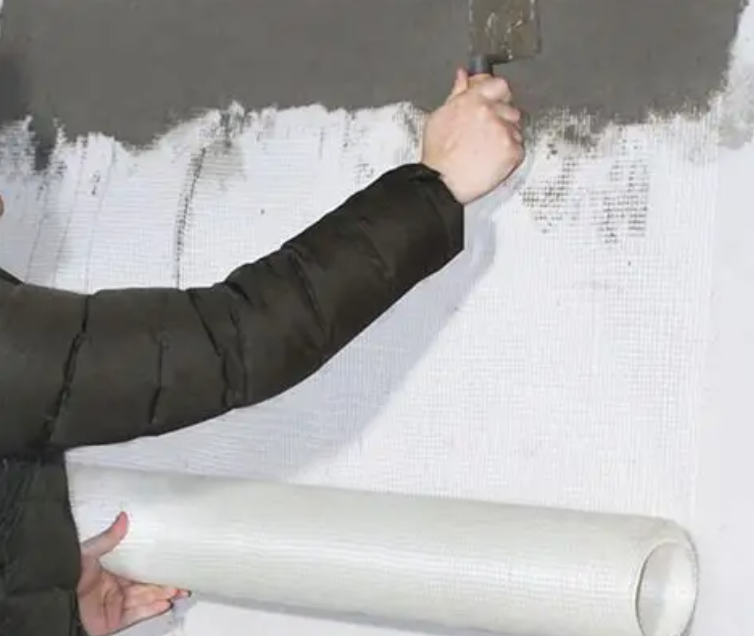
Internationally, fiberglass mesh cloth is categorized by alkali resistance (ALKALI-FREE/MEDIUM-ALKALI) and grammage (70g/㎡-180g/㎡), with core indicators including tensile strength (≥1200N/5cm for high-performance use), mesh stability (3×3mm-10×10mm, smaller meshes for fine reinforcement), and coating adhesion. It’s widely used in insulation, tile bonding, and concrete reinforcement, requiring compliance with regional standards like EU EN 13496, US ASTM C1666, and Chinese GB/T 20141. For example, EU-bound orders need CE marking, while US shipments must meet ASTM requirements to avoid port rejection. As a core material for construction projects, fiberglass mesh cloth demands buyers evaluate technical specs, certifications, and application scenarios holistically. With 18 years of experience and exports to 70+ countries, we share key procurement insights to address common pain points.
| Category | Specific Specifications/Key Points | Application Description |
| Common Grammage | 70g/㎡, 90g/㎡, 120g/㎡, 160g/㎡, 180g/㎡ | 70g/㎡-90g/㎡: Lightweight exterior wall insulation projects120g/㎡: Tile laying and interior wall reinforcement in regular residential buildings160g/㎡-180g/㎡: Heavy-duty concrete reinforcement and industrial plant construction |
| Common Mesh Size | 3×3mm, 4×4mm, 5×5mm, 10×10mm3×3mm-4×4mm | Crack prevention of fine concrete surface and base treatment of high-end decorative surfaces5×5mm: General building exterior wall insulation systems10×10mm: Large-span wall and foundation reinforcement projects |
| Core Features | 1. Alkali resistance (alkali-free type preferred)2. Tensile strength (≥1200N/5cm)3. Coating adhesion (prevents emulsion peeling)4. Compliance certifications (CE, ASTM, etc.) | Alkali resistance and tensile strength determine long-term stability; coating adhesion adapts to humid/extreme climates; compliance certifications ensure smooth customs clearance |
Core Attributes of Fiberglass Mesh Cloth
Fiberglass mesh cloth is woven fromalkali-free glass fiber yarn and coated with alkali-resistant emulsion, offering excellent alkali resistance, high tensile strength, and weather resistance—suitable for climates ranging from Northern Europe’s cold to Southeast Asia’s humidity. Similar products like Fiberglass Mesh, Fiberglass Grid, Fiberglass Reinforcement Mesh, and Woven Fiberglass Fabric serve distinct needs: Fiberglass Grid excels in large-span concrete reinforcement, Fiberglass Reinforcement Mesh for industrial projects, and Woven Fiberglass Fabric for high-end decoration. Fiberglass mesh cloth stands out for its balanced durability and flexibility in cement-based environments, making it ideal for most residential and commercial builds. A common buyer mistake is confusing these variants—solve this by sharing project details with suppliers and requesting spec sheets outlining performance differences.
Our Fiberglass Mesh Cloth Advantages: Targeted Solutions to Procurement Pain Points
1. CE-Certified Quality & Complete Compliance Documentation
All our fiberglass mesh cloth holds CE certification, meeting EU, US, and Southeast Asian standards, with customized certifications (SASO for the Middle East, AS/NZS for Australia) available. A top client complaint is incomplete/counterfeit documents leading to customs detention. We resolve this with official, verifiable paperwork—testing reports, quality certificates, origin documents—and third-party testing for every batch to ensure tensile strength, alkali resistance, and coating adhesion meet promises, eliminating substandard product risks.
2. Factory-Direct Pricing & Tailored Customization
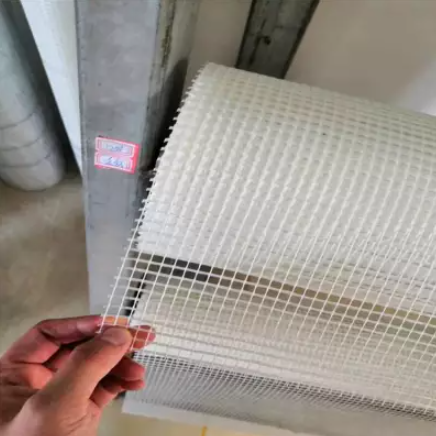
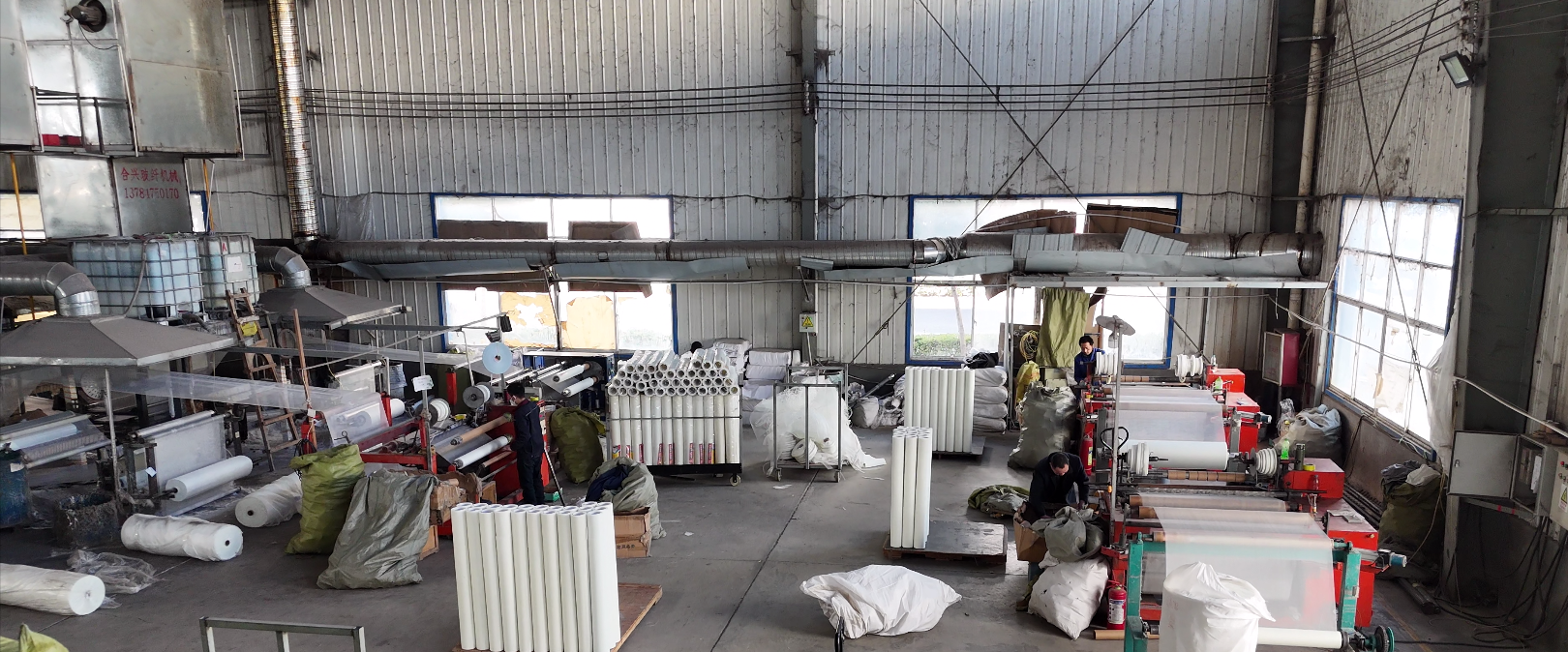
As a source factory, we cut out middlemen for competitive pricing, passing cost savings to clients. Many buyers fall for low intermediary prices only to receive fiberglass mesh cloth with inconsistent grammage, loose meshes, or poor alkali resistance—causing cracks and rework. We offer transparent pricing with no hidden fees and support customization of mesh size, grammage, roll length, and coating: 160g/㎡-180g/㎡ for heavy-duty reinforcement, 70g/㎡-90g/㎡ for lightweight insulation. We also supply Fiberglass Reinforcement Mesh and Woven Fiberglass Fabric for specialized projects, enabling one-stop procurement.
3. Efficient Delivery & Reliable After-Sales Service
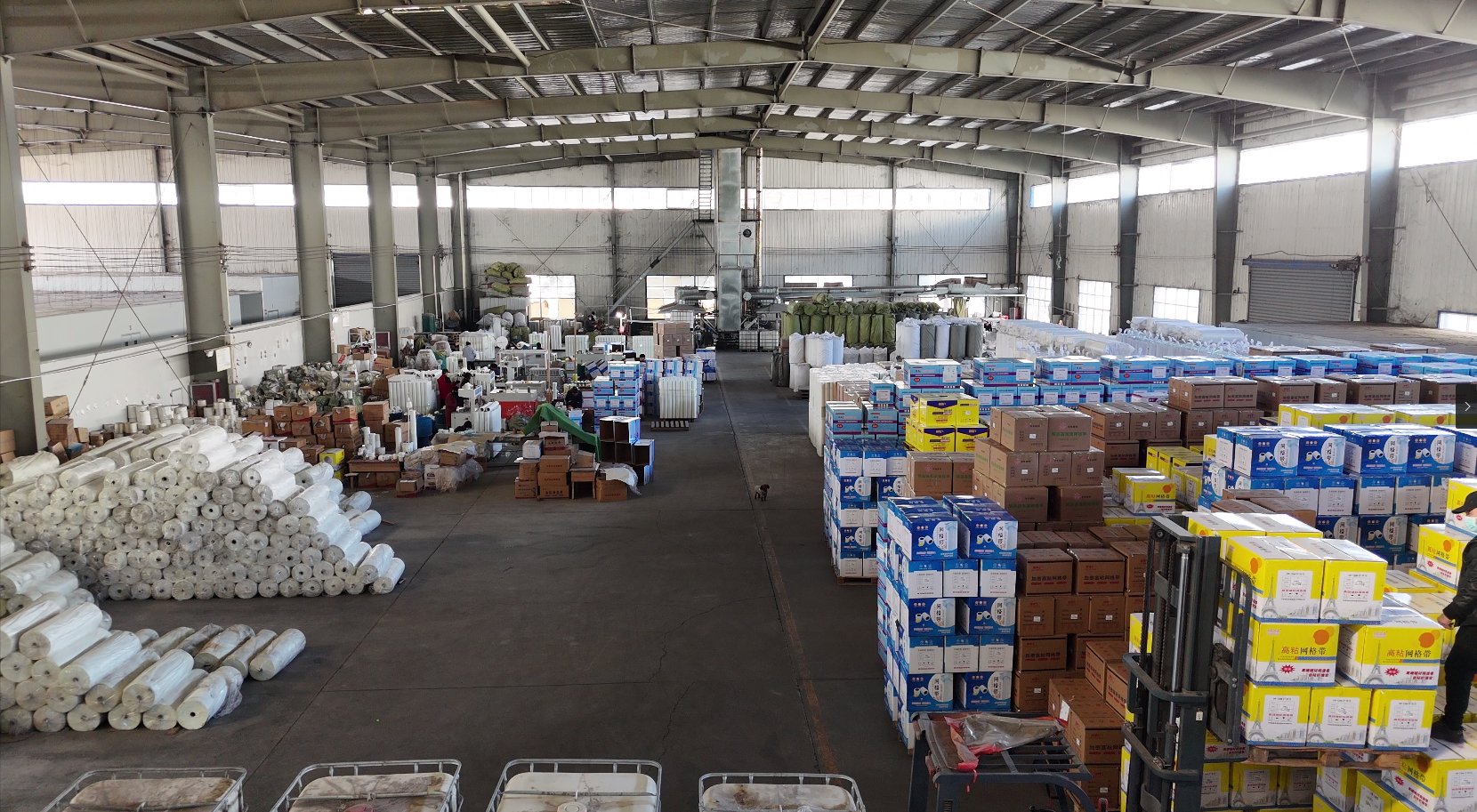
Middlemen often cause long delivery delays—our mature production lines fulfill large orders in 7-15 working days, with partnerships with international logistics providers offering sea/air/rail options. Urgent orders use air freight; bulk shipments leverage cost-effective sea freight. We provide free fiberglass mesh cloth samples for pre-order testing, and our 24/7 after-sales team offers technical support to resolve construction-related performance issues.
Procurement Tips for Overseas Clients: Resolve Pain Points at Every Step
1. Verify Source Factory Qualifications First to Avoid Middleman Risks
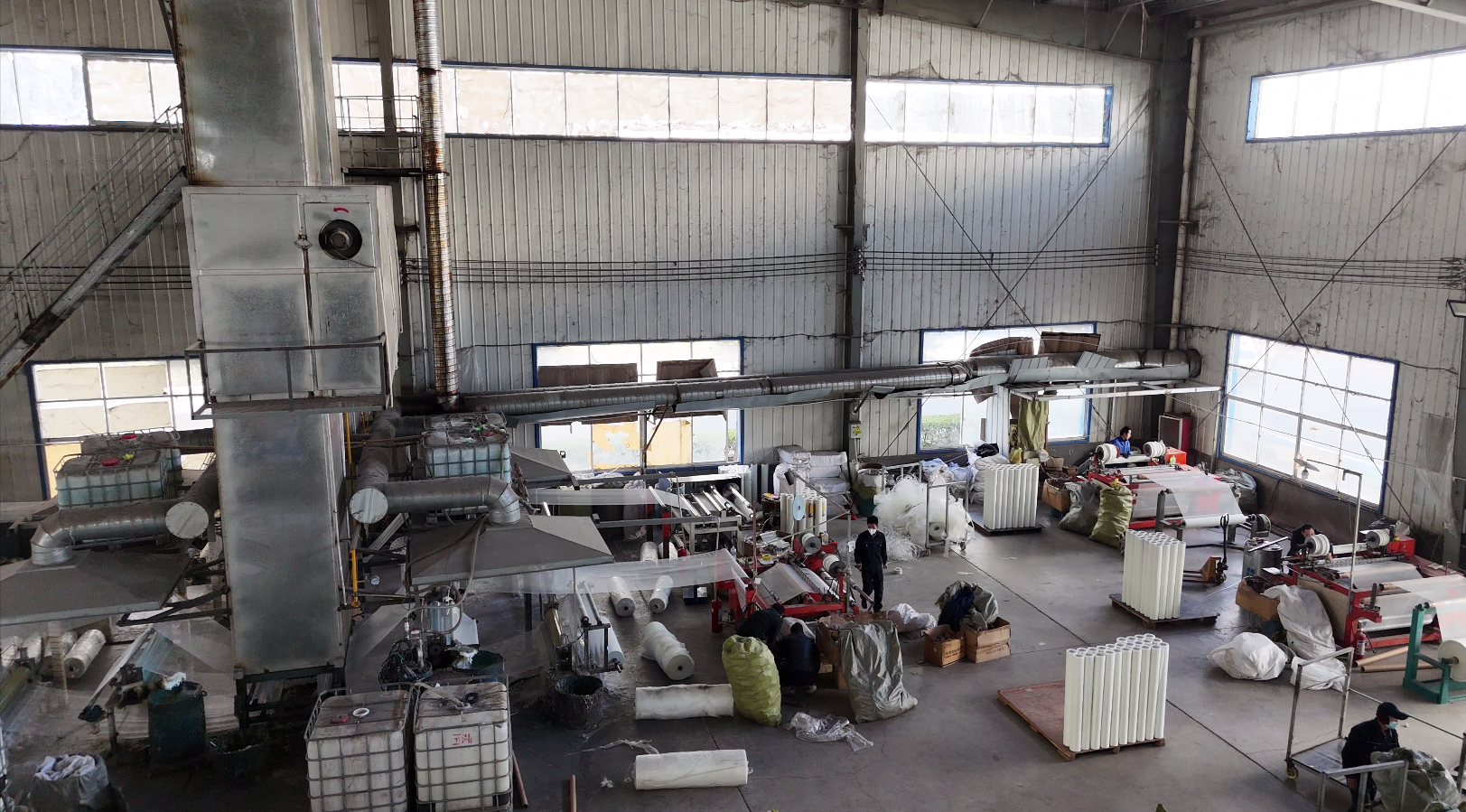
Prioritize certified source factories—verify production scale, experience, and client testimonials, and request workshop videos or live tours. Avoid suppliers unable to disclose production facilities (likely intermediaries). Ensure your supplier controls the entire process from raw materials to packaging for stable quality and timely delivery.
2. Focus on Core Performance Over Low Prices to Prevent Project Losses
Reject low-priced fiberglass mesh cloth from intermediaries—these often use recycled yarn or inferior emulsion, leading to structural damage. Request third-party testing reports for tensile strength and alkali resistance, and conduct sample testing to confirm alignment with project needs.
3. Confirm Customization Capabilities and Logistics Plans to Match Project Needs
Communicate project-specific requirements (mesh size, grammage, climate) and confirm customization support—e.g., tailored coatings for high-humidity/extreme temperature regions. Clarify delivery timelines, transport methods, and customs responsibilities to avoid delays. Choose suppliers offering flexible logistics and complete clearance documents.
Invitation to Cooperate
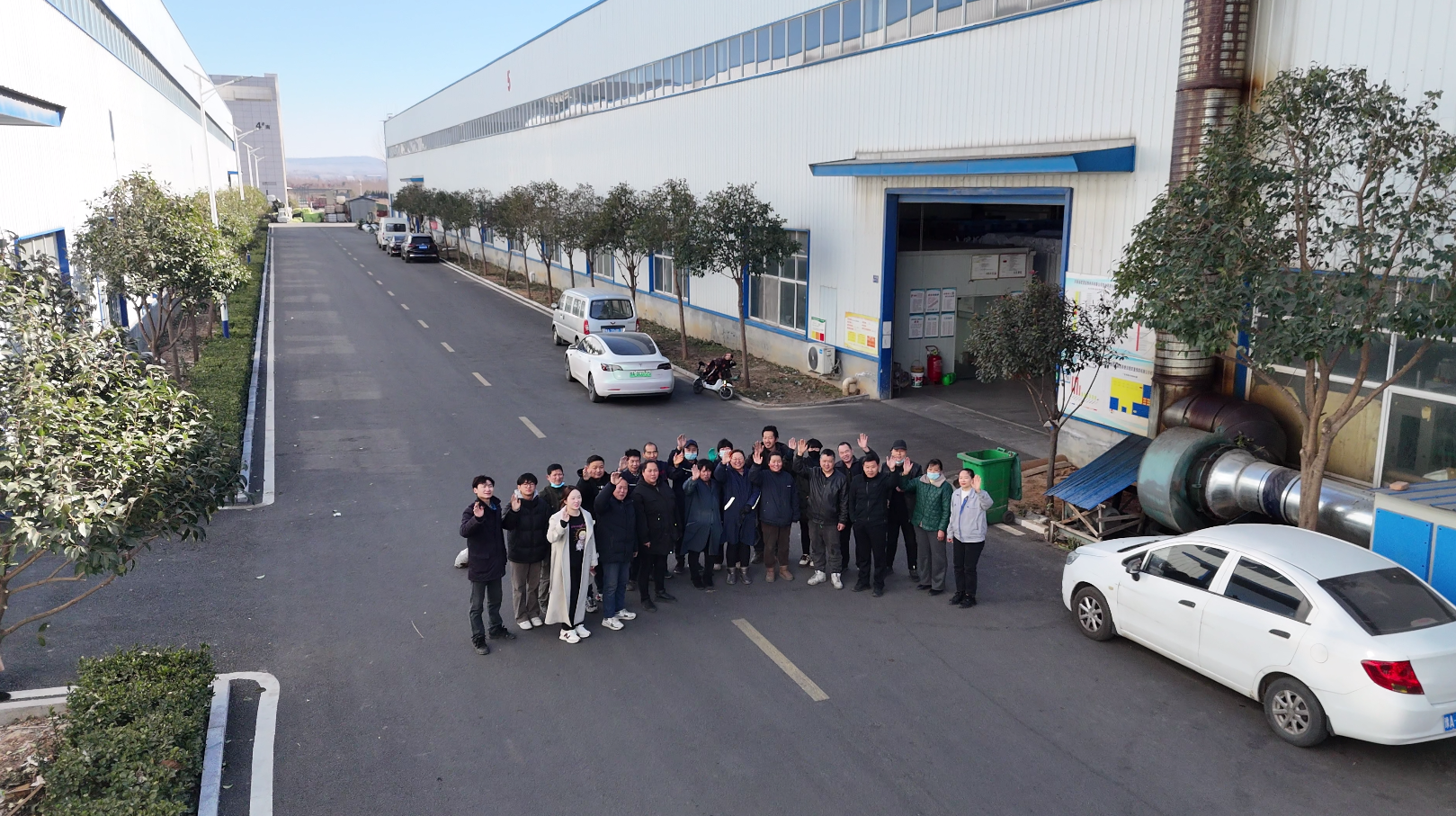
We warmly invite you to visit our factory to inspect fiberglass mesh cloth production—from weaving to coating and quality testing. Our 18-year track record and strict quality control speak to our source factory strength. For remote clients, browse our official website for specs, case studies, and factory videos, or contact our sales team for free samples and customized quotes. We understand overseas buyers’ fiberglass mesh cloth procurement challenges and deliver targeted solutions via factory-direct pricing, certified quality, and efficient service. Choose our 18-year source factory for cost-effective, high-quality fiberglass mesh cloth—your reliable long-term construction materials partner.
[Contact US]:https://www.loptape.com/aboutus
Email:Amy:Amy@loptape.com
WhatsApp:85269000752
Website:www.loptape.com
Please visit product page for more information
-
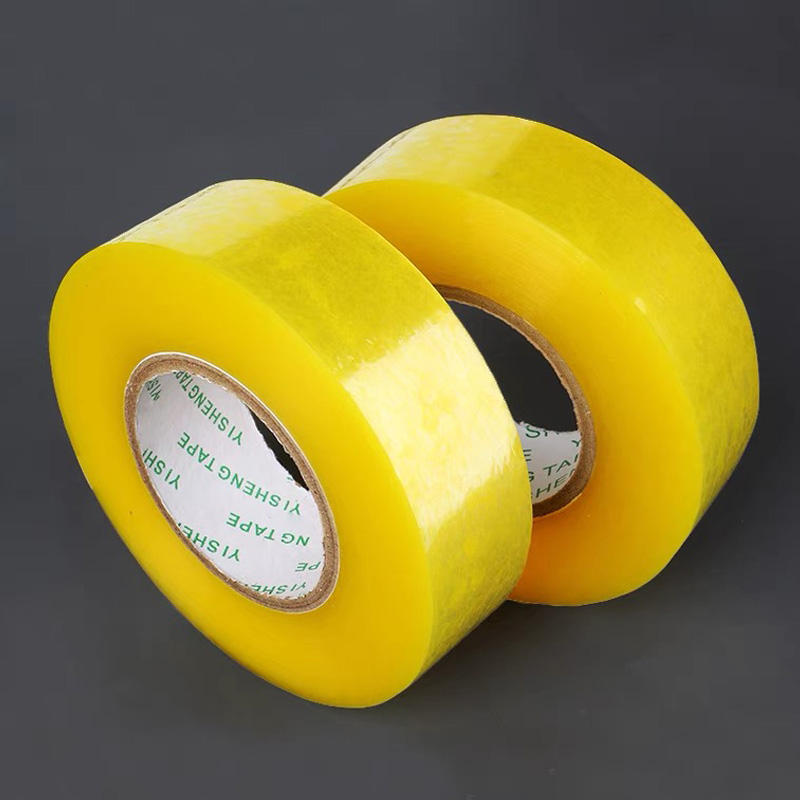
- Strong Adhesive Sealing Transparent Tape Cartons Bopp Packaging tape
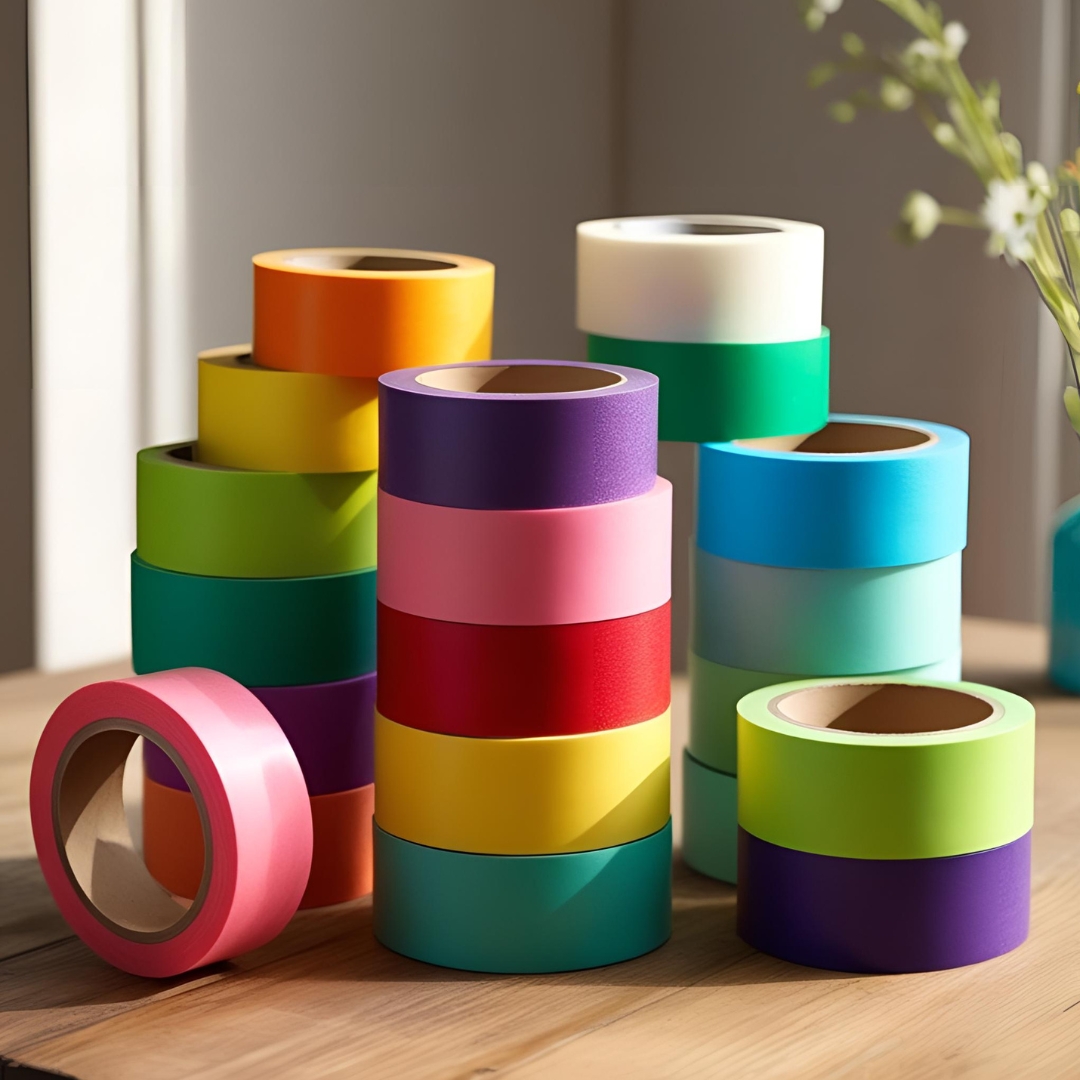
- Green Spray Paint Safe-Release Crepe Paper Multi-Surfaces Painters Masking Tape
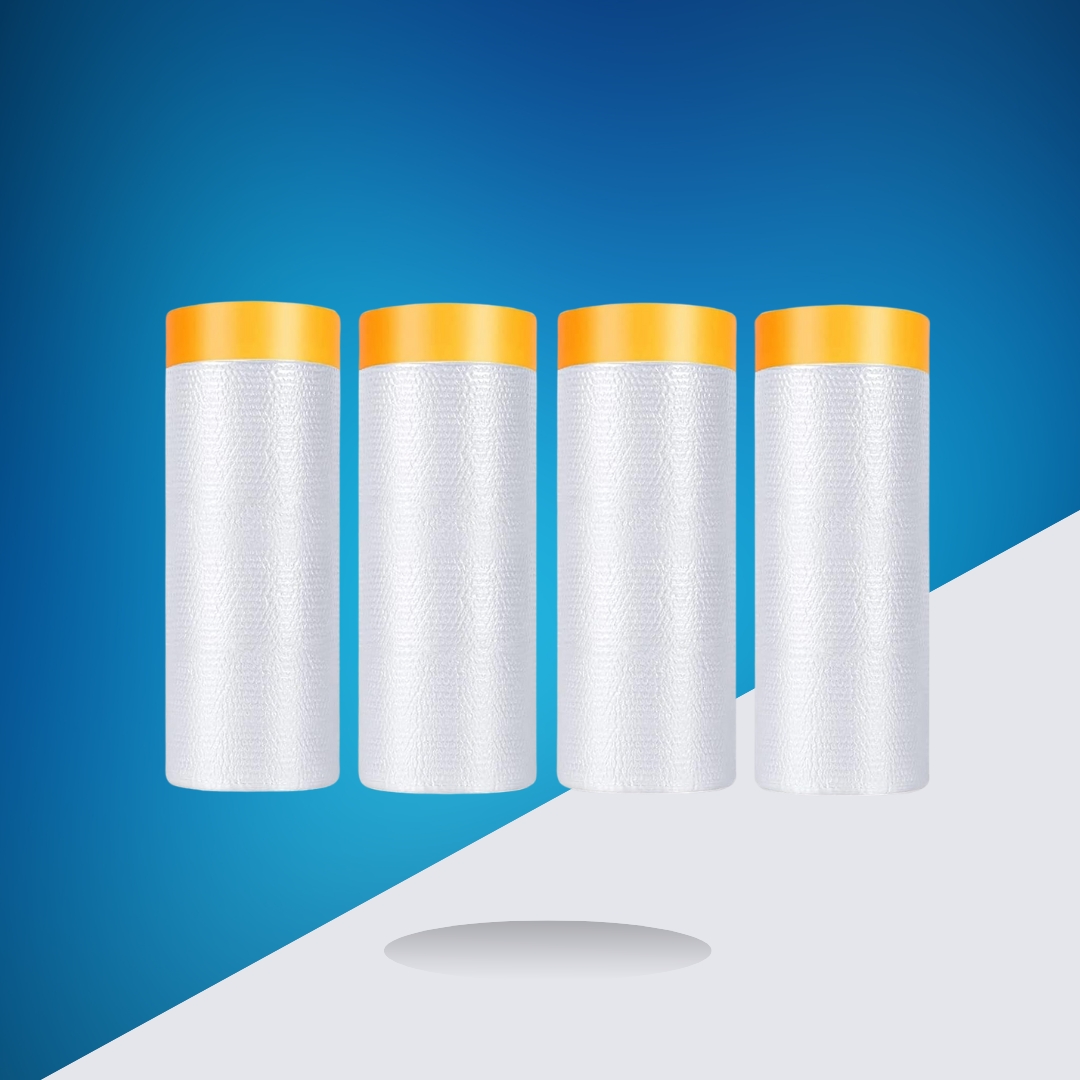
- Furniture Anti Static Dust Proof Plastic Masking Protective Film
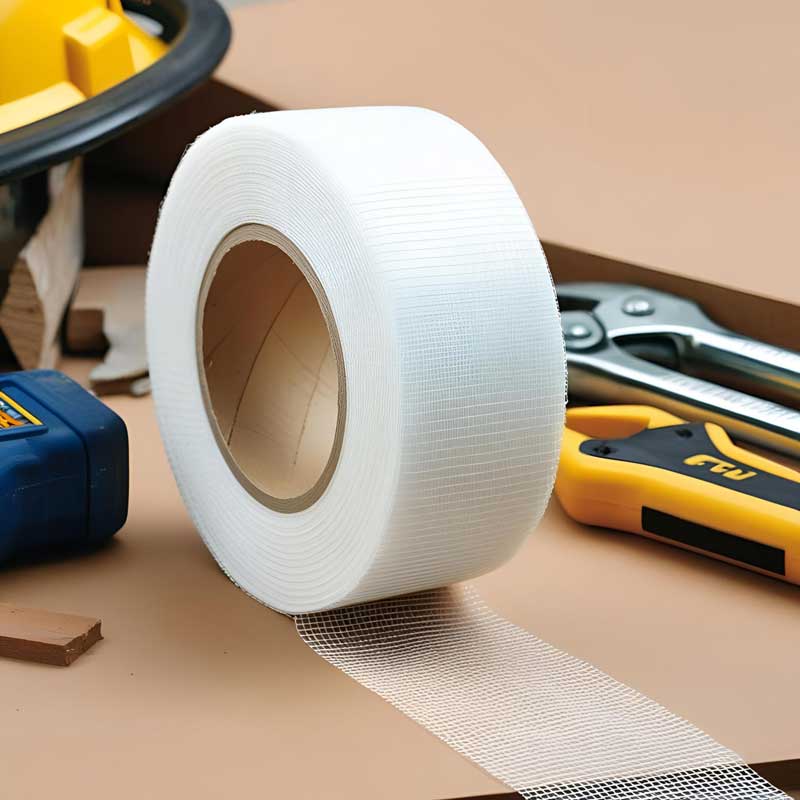
- 90m*5cm Self Adhesive Reinforced Tape Fiberglass Drywall Fiber Tape Covering Fiberglass Mesh Tape