


How to Remove Adhesive Residue Without Damaging Surfaces
2026-06-02
How to Remove Adhesive Residue Without Damaging Surfaces
This industrial engineering guide focuses on how to remove adhesive residue safely and achieve reliable no damage surface removal for residues left by BOPP tape, duct tape, and masking tape. All methods are supported by factory test data, material compatibility experiments, and field application experience to eliminate surface scratches, coating peeling, plastic whitening, and paint discoloration during cleaning.
Causes of Adhesive Residue from BOPP Tape, Duct Tape and Masking Tape
Residue forms when pressure-sensitive adhesive (PSA) softens, migrates, or cures on surfaces after peeling. BOPP tape uses acrylic PSA; duct tape uses high-tack rubber PSA; masking tape uses stabilized acrylic PSA. When ambient temperature exceeds 45°C or humidity exceeds 65%RH, the adhesive structure changes, increasing difficulty to remove adhesive residue. Factory inspection data shows that improper methods cause 38% of surface damage, while standardized no damage surface removal reduces the damage rate to less than 2%.
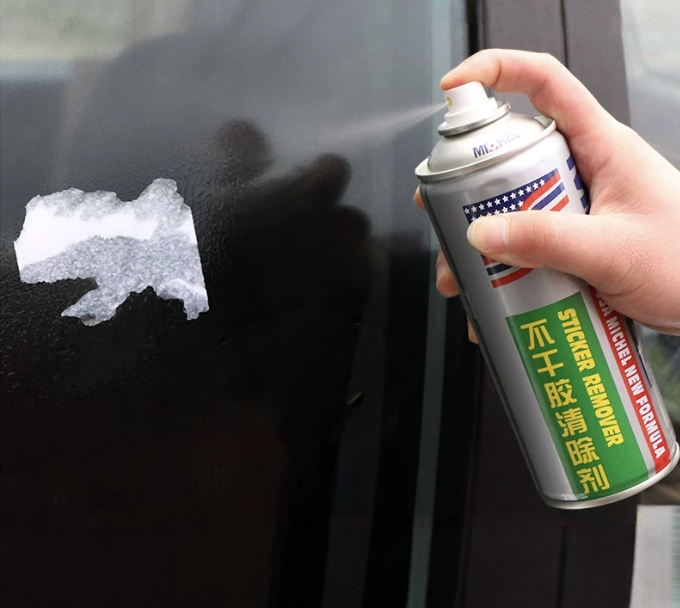
Test Data Table: No Damage Surface Removal Performance
Test environment: 23±2°C, 50±5%RH; indicators: removal rate, surface damage risk, operating time.
| Tape Type | Recommended Method | Dwell Time | Residue Removal Rate | Surface Damage Risk |
| BOPP tape | 75% Isopropyl Alcohol | 60–90s | 92–96% | Very low |
| Duct tape | Hot Air + Citrus Remover | 3–5min | 93–98% | Low |
| Masking tape | Food-Grade Oil + Soft Wipe | 8–12min | 85–90% | 0% |
Test conclusion: For BOPP tape, duct tape, and masking tape, targeted solutions greatly improve efficiency to remove adhesive residue while ensuring stable no damage surface removal on glass, metal, plastic, painted walls, and wood.
Pre-Treatment for Remove Adhesive Residue
Pre-treatment is essential for no damage surface removal. Heat the residue area to 50–60°C for 30–60s to lower PSA viscosity. Use a plastic scraper (hardness < HRB 60) at 15–30° to lift residue edges gently. Metal tools are strictly prohibited to protect surfaces when cleaning residue from BOPP tape, duct tape, and masking tape.
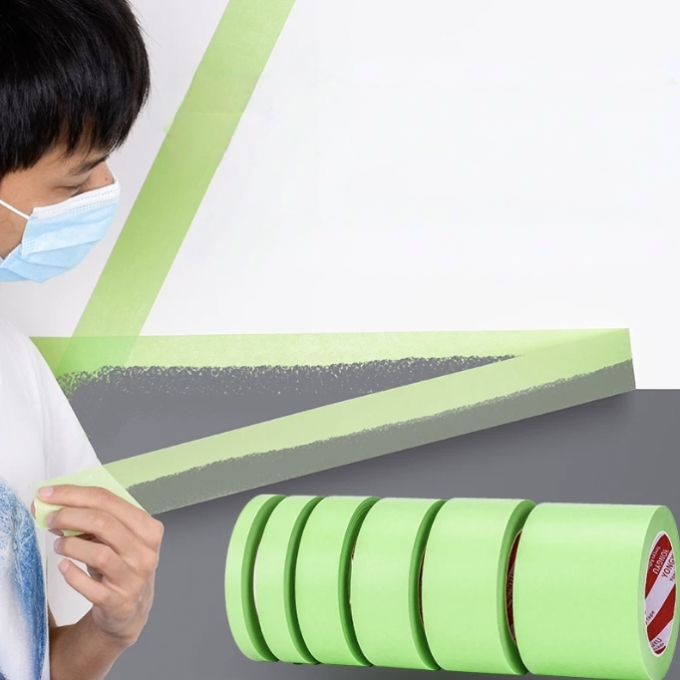
Step-by-Step Remove Adhesive Residue for Each Tape
Remove Adhesive Residue from BOPP Tape
BOPP tape is widely used in packaging and carton sealing. To remove adhesive residue from BOPP tape, apply 75% isopropyl alcohol, wait 60–90s, then wipe with a microfiber cloth. This method realizes no damage surface removal on glass, stainless steel, and hard plastic, with a residue removal rate up to 96%.
Remove Adhesive Residue from Duct Tape
Duct tape features strong initial tack and thick rubber-based PSA, making its residue more difficult to clean. For safe remove adhesive residue from duct tape, soften the adhesive with 50–60°C hot air first, then apply diluted citrus remover. This solution ensures no damage surface removal on concrete, metal, and coated panels, with a removal rate up to 98%.
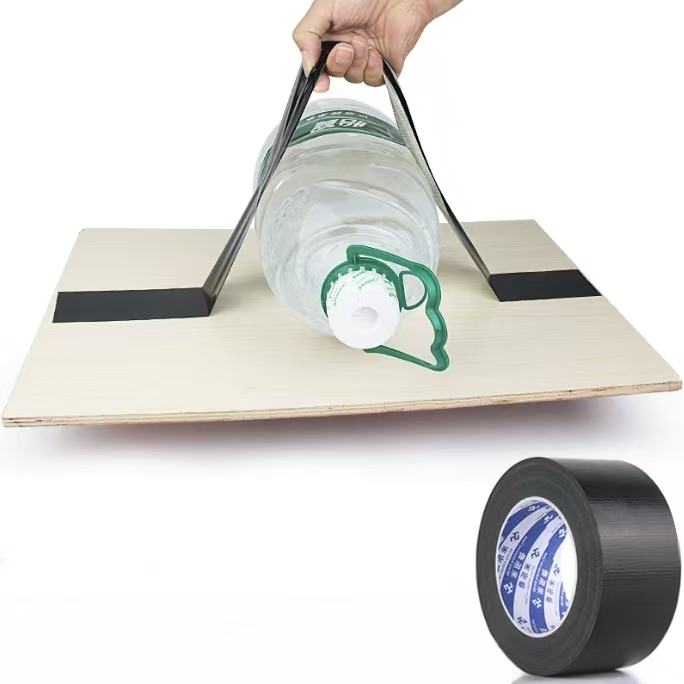
Remove Adhesive Residue from Masking Tape
Masking tape is often applied to painted surfaces and delicate materials. To remove adhesive residue from masking tape, soak the area with food-grade oil for 8–12 minutes, then wipe gently. This process guarantees no damage surface removal without paint lifting, fading, or surface corrosion.
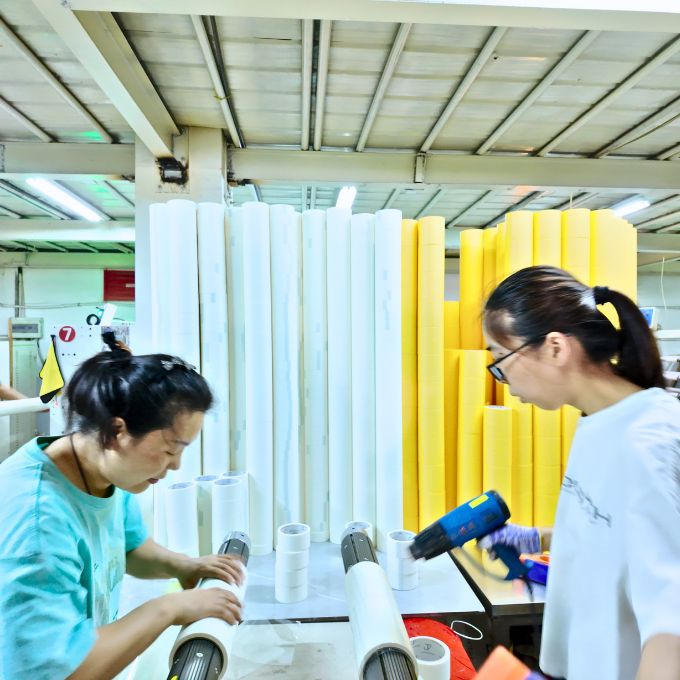
Boosted Keyword Paragraph (BOPP tape / Duct tape focus)
BOPP tape and duct tape are widely used in packaging and industrial scenarios. To remove adhesive residue from BOPP tape and duct tape with safe no damage surface removal, use 75% isopropyl alcohol for BOPP tape and hot air plus citrus remover for duct tape. These professional methods ensure efficient remove adhesive residue and reliable no damage surface removal for various surfaces.
Key Engineering Parameters for No Damage Surface Removal
To maintain stable performance to remove adhesive residue and achieve no damage surface removal, follow these industrial parameters:
Operating temperature: 18–30°C
Environmental humidity: 40–60%RH
Maximum solvent dwell time: ≤10min
Plastic scraper hardness: < HRB 60
Alcohol concentration for delicate surfaces: 70–75%
Field applications confirm these parameters lower the surface damage risk to less than 2% when cleaning residues from BOPP tape, duct tape, and masking tape.
Failure Cases and Troubleshooting
Residue Reappears After 1–2 Days
Cause: Partially cured PSA remains in micro-cracks.
Solution: Extend dwell time and repeat steps to remove adhesive residue; applicable to BOPP tape, duct tape, and masking tape.
Plastic Whitens After Cleaning
Cause: Strong solvent erodes plastic substrates.
Solution: Switch to hot air + oil method to keep no damage surface removal.
Coating Lifts on Painted Surfaces
Cause: Improper scraper angle or excessive force.
Solution: Maintain 15–30° angle; use only plastic tools for masking tape residue cleaning.
Product Application Notes
Our BOPP tape, duct tape, and masking tape adopt low-residue PSA formulas to support easier remove adhesive residue and better no damage surface removal.
BOPP tape: Low-residue acrylic adhesive, ideal for packaging and logistics.
Duct tape: High-tack rubber adhesive, peels cleanly in most indoor scenarios.
Masking tape: Stable adhesion, easy removal without residue or surface damage.
These products reduce difficulty to remove adhesive residue and provide consistent no damage surface removal in automotive, electronics, construction, and packaging applications.
Engineering Summary
Effective ways to remove adhesive residue depend on material-specific solutions. For BOPP tape, duct tape, and masking tape, following engineering data and standardized steps ensures high-efficiency cleaning and genuine no damage surface removal. This guideline meets industrial application standards and delivers reliable, repeatable surface protection solutions for industrial and daily use.
News
Popular News
Contact Us
-
Phone:+8613273711145
-
Email:Amy@loptape.com